

Arterial redesign
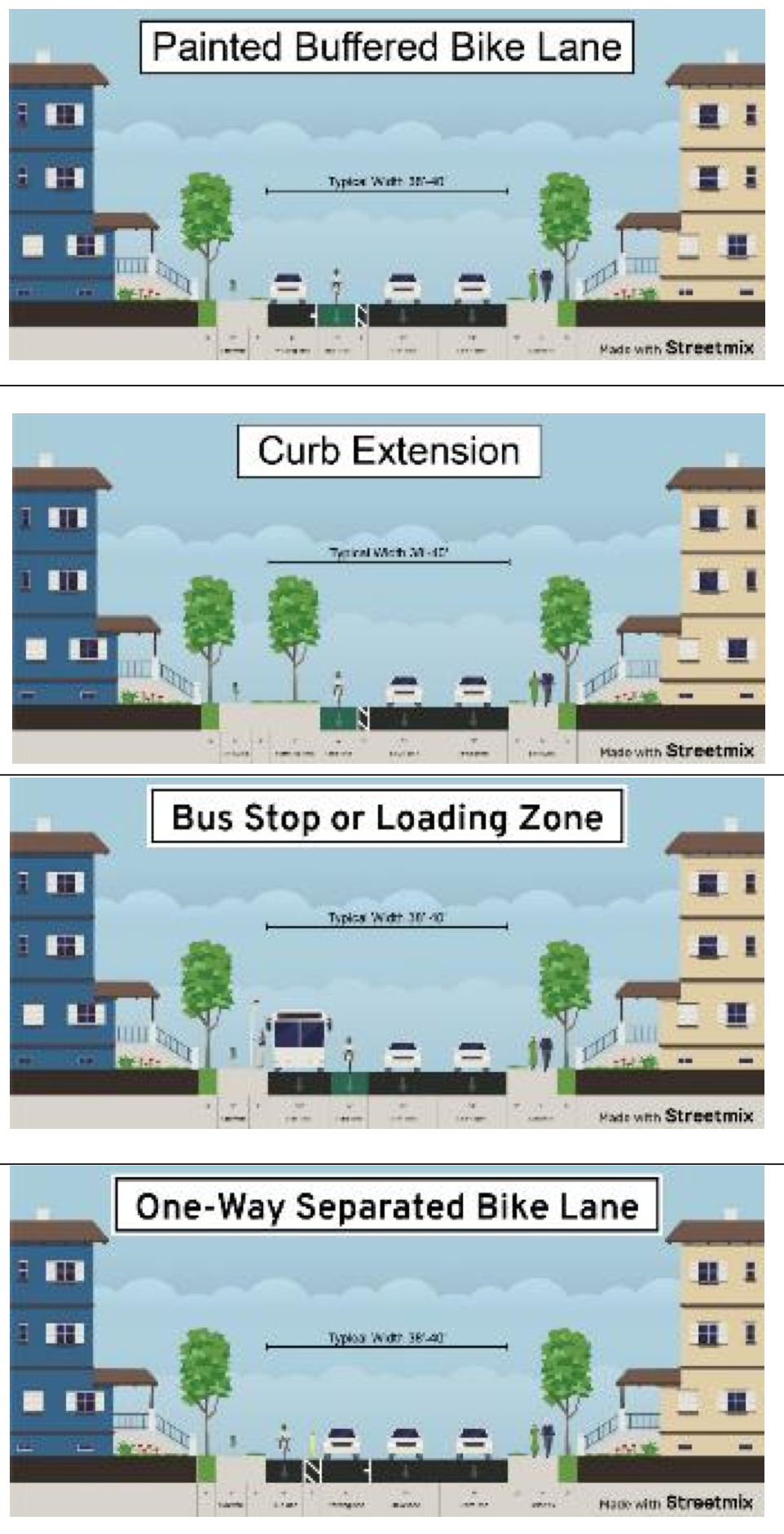
-
The East–West Arterial in Poughkeepsie—formally the U.S. Route 44/55 corridor—was designed decades ago to move large volumes of traffic quickly through the city. Today, it functions less like a highway and more like a barrier, dividing neighborhoods and making it difficult and unsafe for people walking or biking between downtown, residential areas, and the waterfront.
The current design prioritizes vehicle speed and throughput over safety and accessibility. Wide lanes, long crossing distances, and limited infrastructure for cyclists create conditions that encourage speeding and discourage walking or biking. For a corridor that connects residents to jobs, schools, transit, and civic spaces, this approach is increasingly out of step with modern transportation planning and urban safety standards.
Importantly, the need for change has already been formally studied. The New York State Department of Transportationcompleted the Poughkeepsie 9/44/55 Transportation and Land Use Study, which examined ways to transform the corridor into a safer, more connected urban street. The study outlines potential improvements including traffic calming, safer pedestrian crossings, bicycle accommodations, and redesign strategies that better integrate the Arterial with surrounding neighborhoods. The full study and recommendations are available through the Dutchess County Transportation Council here:
https://www.dutchessny.gov/Departments/Transportation-Council/Poughkeepsie-9-44-55.htm#con2Implementing these recommendations would significantly improve safety. Traffic calming measures—such as narrower travel lanes, protected bike lanes, improved crosswalks, and pedestrian refuge islands—have been shown nationwide to reduce crashes, lower vehicle speeds, and make streets safer for everyone.
A redesigned Arterial would also strengthen connections to major regional destinations like the Walkway Over the Hudson and the Dutchess Rail Trail, helping residents and visitors move safely between downtown, the waterfront, and surrounding neighborhoods. This would not only improve quality of life but also support local businesses and economic activity.
Reimagining the East–West Arterial is not about restricting access for drivers—it is about modernizing an outdated roadway so it works safely and effectively for everyone who uses it. The planning work has already been done. The next step is turning those recommendations into real improvements that reconnect and strengthen the city.
-